


A Deep Dive into Metal, Hot, and Embossed Stainless Steel Press Plates for PVC
 Oct 27, 2025|
 View:476
In the vast and intricate world of manufacturing, certain components operate behind the scenes, yet their impact is imprinted on countless products we use daily. Among these unsung heroes are press plates—specifically, the metal press plate, the hot press plate, and the specialized embossed stainless steel press plate. When applied to the processing of Polyvinyl Chloride (PVC), these tools transcend their simple descriptions to become the very instruments of transformation. They are the artisans that impart strength, dimension, texture, and identity to a material known for its versatility. This article explores the critical roles, mechanisms, and applications of these essential manufacturing components.
The Foundation: Understanding PVC and the Need for Pressing
Polyvinyl Chloride (PVC) is one of the most widely used plastics globally, prized for its durability, chemical resistance, and cost-effectiveness. However, in its basic form, such as in flexible sheets, it often lacks the aesthetic appeal or specific functional characteristics required for end-use products. This is where the pressing process comes in. Pressing involves applying heat and pressure to a material to alter its physical properties. For PVC, this can mean:
Laminating: Bonding a thin PVC layer to a substrate like wood (e.g., for flooring or cabinetry).
Texturing: Imprinting a pattern onto the surface to mimic natural materials like wood grain or stone.
Curing: Solidifying or setting a decorative layer.
Embossing: Creating a three-dimensional, tactile pattern.
The press plate is the critical interface that directly contacts the PVC material during this process, dictating the final outcome.
The Metal Press Plate: The Workhorse of Precision
At its core, a metal press plate is a flat, precision-ground plate, typically crafted from high-grade tool steel or stainless steel. Its primary function is to apply uniform pressure and heat across the entire surface of the PVC material.
Key Characteristics and Functions:
Uniform Heat Transfer: Metal, especially steel, is an excellent conductor of heat. A metal press plate ensures that heat from the press's heating elements is distributed evenly. Any inconsistency can lead to defects like under-cured spots, blisters, or uneven gloss on the finished product.
High-Pressure Resistance: These plates are engineered to withstand immense pressure—often hundreds or even thousands of tons—without warping or deforming. This rigidity is essential for producing flat, consistent PVC sheets or for laminating them perfectly to substrates.
Surface Finish: The surface of a standard metal press plate is typically polished to a mirror finish. When this smooth plate presses against PVC, it results in a perfectly smooth, high-gloss finish. This is essential for products like glossy laminates or hygienic surfaces where a non-porous, easy-to-clean finish is required.
In essence, the metal press plate is the indispensable workhorse, providing the foundational pressure and heat necessary for virtually all PVC pressing operations. It is the blank canvas upon which more complex textures are built.
The Hot Press Plate: The Engine of the Process
The term hot press plate is often used interchangeably with a heated metal press plate, but it more accurately describes the functional systemrather than just the plate itself. A hot press plate integrates heating elements—such as internal oil or electric cartridge heaters—within the plate's body.
The Mechanism of Action:
The key differentiator is the self-contained heating capability. Instead of relying solely on external platens, the hot press plate generates and maintains its own precise temperature. This allows for exceptional control over the thermal cycle, which is crucial for processing PVC. PVC requires a specific temperature range to become pliable enough for forming without degrading. Too little heat, and the texture won't transfer; too much, and the material will burn, releasing harmful gases and ruining the product.
Hot press plates are the engines that drive processes like:
PVC Membrane Pressing: Used to wrap PVC films around complex 3D objects like door frames and furniture components.
Short-Cycle Laminating: Quickly bonding PVC decorative films to particleboard or MDF for furniture and interior panels.
The precision temperature control of a hot press plate ensures repeatability and high efficiency in high-volume production environments.
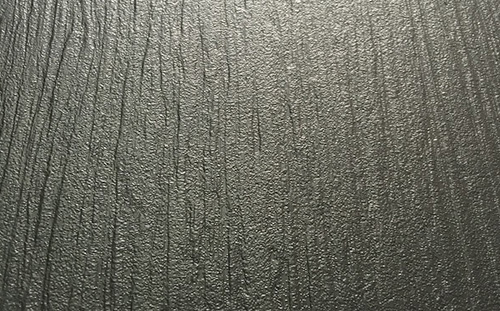
The Embossed Stainless Steel Press Plate: The Artist’s Tool
If the standard metal press plate is the blank canvas, the embossed stainless steel press plate is the master etcher's tool. This is where functionality meets artistry. This specialized plate starts with a high-quality stainless steel base, onto which a precise, negative-image pattern is chemically or laser-etched, or machined.
The Creation of Texture:
The embossing process is a feat of engineering. The desired pattern—be it a subtle leather grain, a deep wood grain, a linen weave, or a geometric design—is engraved into the hardened steel surface. When this plate is pressed against a heated PVC sheet under immense pressure, the pattern is permanently transferred into the material's surface.
Why Stainless Steel?
Stainless steel is the material of choice for embossed plates for several reasons:
Durability: The embossed patterns must withstand millions of press cycles without wearing down. Stainless steel, particularly through-hardened grades, offers the necessary resistance to abrasion.
Corrosion Resistance: The PVC processing environment can involve heat, pressure, and occasionally, chemical release from the material itself. Stainless steel resists rust and corrosion, ensuring a long lifespan and consistent pattern quality.
Release Properties: A properly finished stainless steel surface helps prevent the molten PVC from sticking to the plate, ensuring a clean release after each cycle and reducing downtime for cleaning.
The application of embossed plates is vast. The most common example is in the flooring industry, where they are used to create embossed-in-register (EIR) luxury vinyl tile (LVT) and vinyl plank (LVP). In EIR, the embossed texture is perfectly aligned with the printed decorative layer (e.g., an image of oak wood), creating a stunningly realistic product that not only looks like wood but also feelslike it to the touch. This same technology is used for textured laminates on furniture, automotive interiors, and decorative wall panels.
Synergy in Production: A Typical Workflow
The interaction of these plates can be seen in a typical LVT production line:
The Base: A multi-opening press uses massive, heated metal press plates to consolidate and cure the core PVC composite layer.
The Decoration: A printed film with a wood grain design is placed atop the core.
The Artistry: An embossed stainless steel press plate, precisely aligned with the print, is lowered. This plate is, of course, a hot press plate, heated to the exact temperature needed to soften the clear wear layer of the PVC.
The Transformation: Under immense pressure, the heat softens the PVC, and the embossed pattern is stamped into the surface, creating a perfect tactile match for the visual print.
The Result: The press opens, revealing a finished plank that is a convincing replica of hand-scraped hardwood.
From the foundational flatness of the standard metal press plate to the controlled energy of the hot press plate and the intricate artistry of the embossed stainless steel variant, these tools are fundamental to the modern PVC industry. They bridge the gap between a raw, synthetic material and the beautiful, functional, and tactile surfaces that define contemporary interiors and products. They are a testament to how precision engineering and creative design converge, operating under immense heat and pressure to bring texture, realism, and quality into our everyday lives. As technology advances, so too will these plates, enabling ever more realistic and sustainable surface solutions for the future.


View More(Total0)Comment lists